Folding and whisking have different purposes
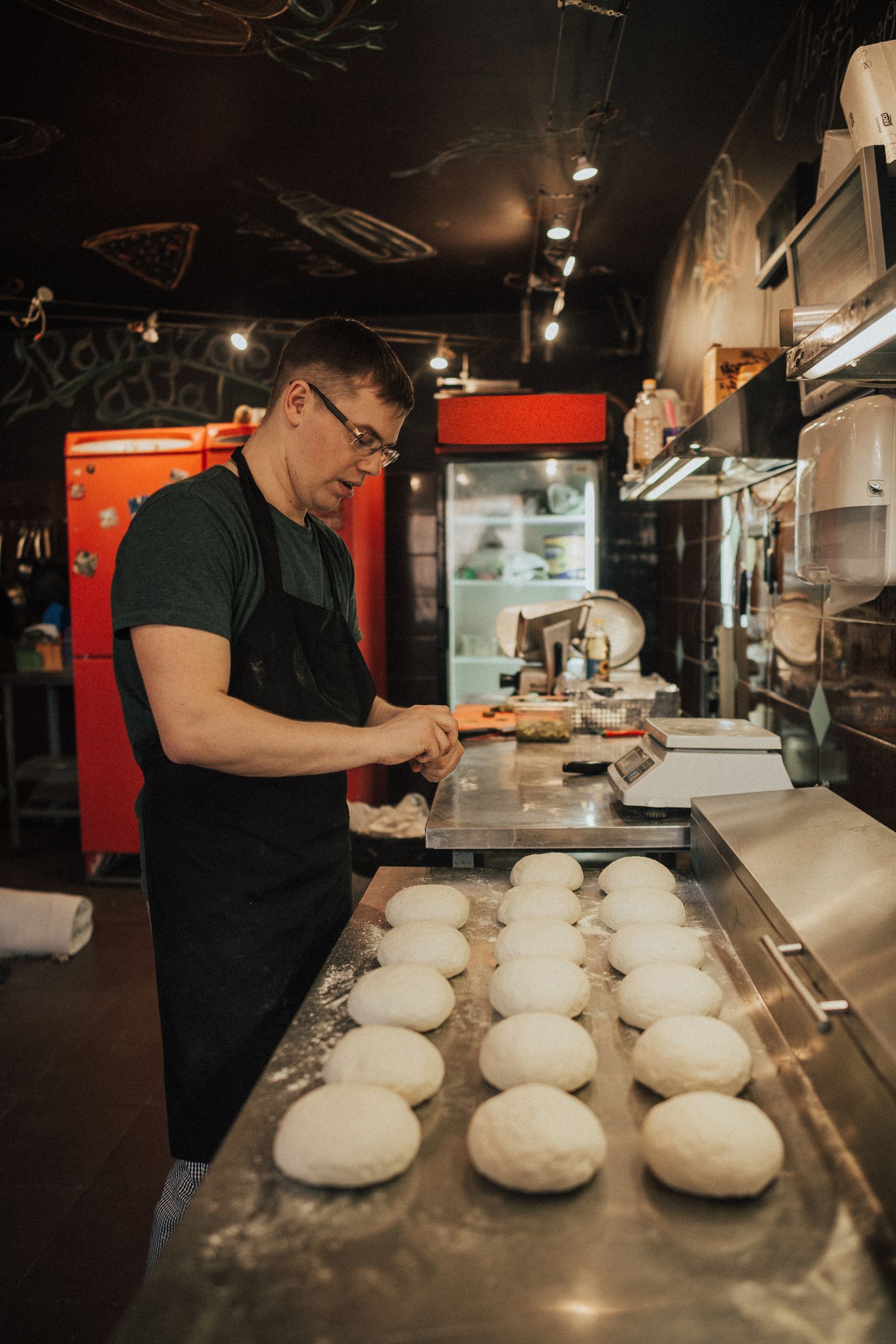
Whisking can introduce air and disperse ingredients. Folding combines mixtures with a gentler movement intended to preserve more of an existing aerated structure. The appropriate technique depends on the complete method, the mixture and the stage of production.
Begin with the whole reference
Read the complete method rather than an isolated step or image. Identify the stated purpose, sequence and conditions before deciding which part you want to discuss.
Observe without assuming
A photograph can illustrate a moment without establishing readiness, equipment settings or the full process. Distinguish what the source actually says from your interpretation of it.
Ask about supported practice
A responsible educator confirms the appropriate activity, supervision and learning environment. Public technique reading introduces questions; it is not a substitute for a complete practical method.